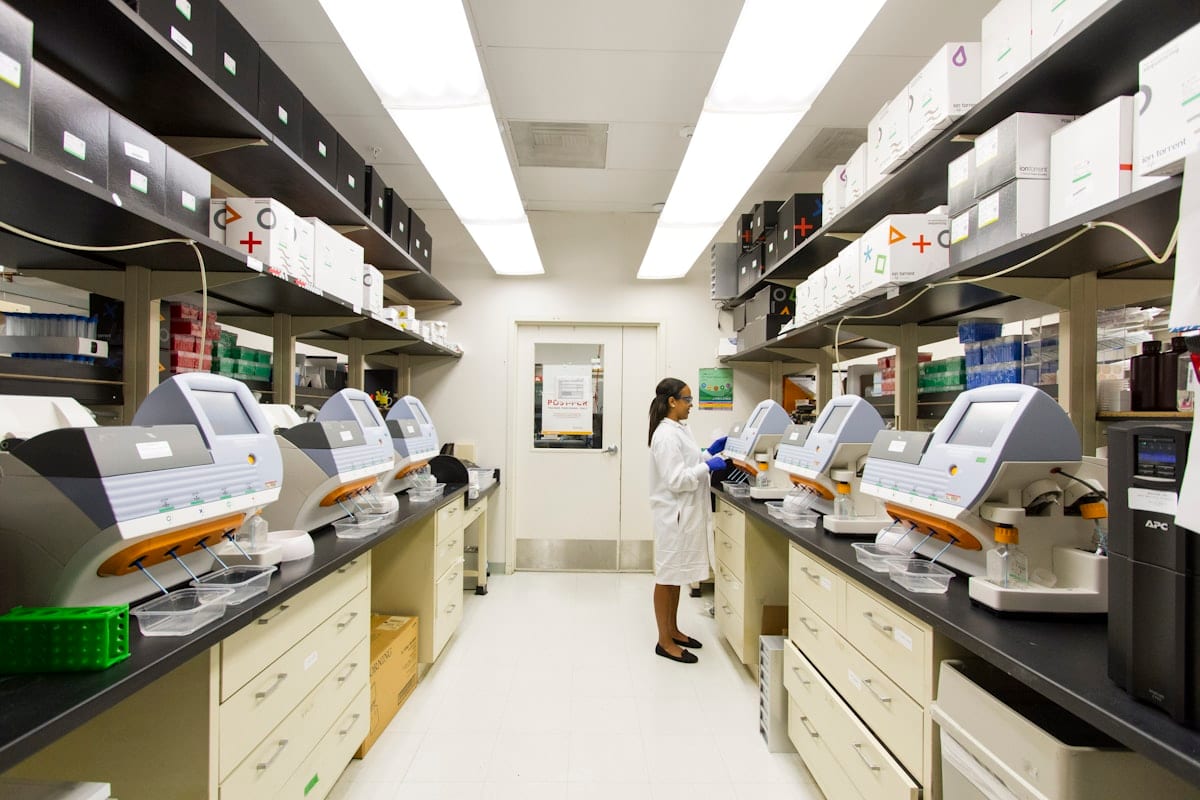
A pilot program at Wales’s largest health board is using AI to flag potential cancer cases in tissue biopsies, cutting the time from sample to malignancy diagnosis from three months to one to two weeks. The trial at Betsi Cadwaladr University Health Board offers a glimpse of how AI might help address chronic pathology backlogs in healthcare systems.
The Backlog Problem
Most biopsies taken for suspected cancer come back benign. In under-resourced pathology departments, these samples sit in queues waiting for review—sometimes for months. The problem is that audits show a significant number of initially benign-looking samples actually turn malignant. By the time pathologists get to them, patients have lost critical time.
“We were looking for a project where we can actually pick those cases and create a real time triage,” said Dr. Muhammad Aslam, the national lead for digital pathology and AI projects in Wales.
How the AI Works
The trial uses Paige PanCancer Detect, which analyzes digitally scanned biopsy slides and flags potential malignancies for clinician review. When the system identifies a suspicious sample, it jumps the queue rather than waiting its turn.
The AI doesn’t replace pathologists—it prioritizes their workload. Clinicians still examine every flagged case and make the final diagnosis. The system catches cases that would otherwise remain buried in the queue while pathologists work through the backlog.
This follows earlier successful pilots at Betsi Cadwaladr using the IBEX Galen system for prostate and breast cancer detection. The current trial expands to multiple cancer types.
The Results So Far
The headline number is striking: patients receive malignancy diagnosis and treatment offers within one to two weeks instead of three months. For cancer, where early treatment significantly improves outcomes, that time difference matters.
Wales Health Secretary Jeremy Miles backed the approach, noting AI is “able to find some of the problems that might otherwise be invisible” to human reviewers at their normal pace.
The trial is set to expand pending further funding, with plans for national rollout across NHS Wales.
What This Means
Betsi Cadwaladr currently has among the worst cancer waiting times in Wales. Using AI for triage addresses a structural problem: there aren’t enough pathologists to review every sample quickly, so anything that speeds up identification of genuine cancers helps patients.
The model is relatively straightforward—use AI to sort urgent from non-urgent rather than replace clinical judgment. It’s the kind of narrow, well-defined application where current AI technology works well: pattern recognition in medical imaging with human oversight.
The Fine Print
The program is still a pilot. Expansion depends on funding and demonstrating consistent results. AI systems can miss cases or flag false positives, so ongoing monitoring of accuracy is essential.
There’s also the broader context: pathology backlogs exist because healthcare systems have underinvested in laboratory capacity. AI can help optimize existing resources, but it doesn’t create more pathologists. If the trial proves successful, the question becomes whether it’s a stopgap or a permanent feature of under-resourced systems.
Still, for patients with undetected cancers currently sitting in sample queues, getting flagged in days rather than months is an unambiguous win.